Who was Kedar? Kedar is a minor name in the Hebrew Bible with a long afterlife in commentary. He appears as the second son of Ishmael, and his descendants, the Kedarites, were an Arab people of the northern Arabian desert.1 The interest of the name lies in what later readers made of it.
In this article
Kedar in the biblical text
The prophets mention Kedar in oracles concerning Arabia. One passage foretells that the glory of Kedar will fail within a year, and that few of the archers of its warriors will remain.2 Another calls on the villages that Kedar inhabits to lift up their voice and sing to God.3 The Song of Songs uses the tents of Kedar as an image of dark beauty, and Jeremiah and Ezekiel name Kedar among the peoples trading in flocks with the settled kingdoms.4
The Kedarites in history
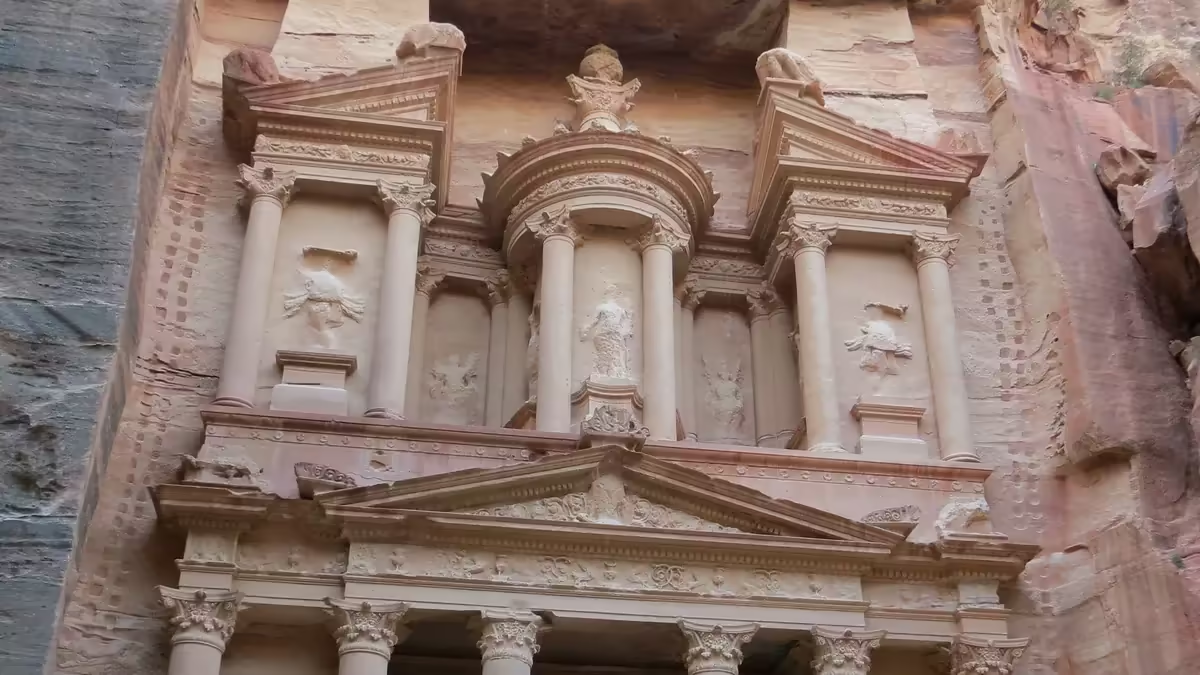
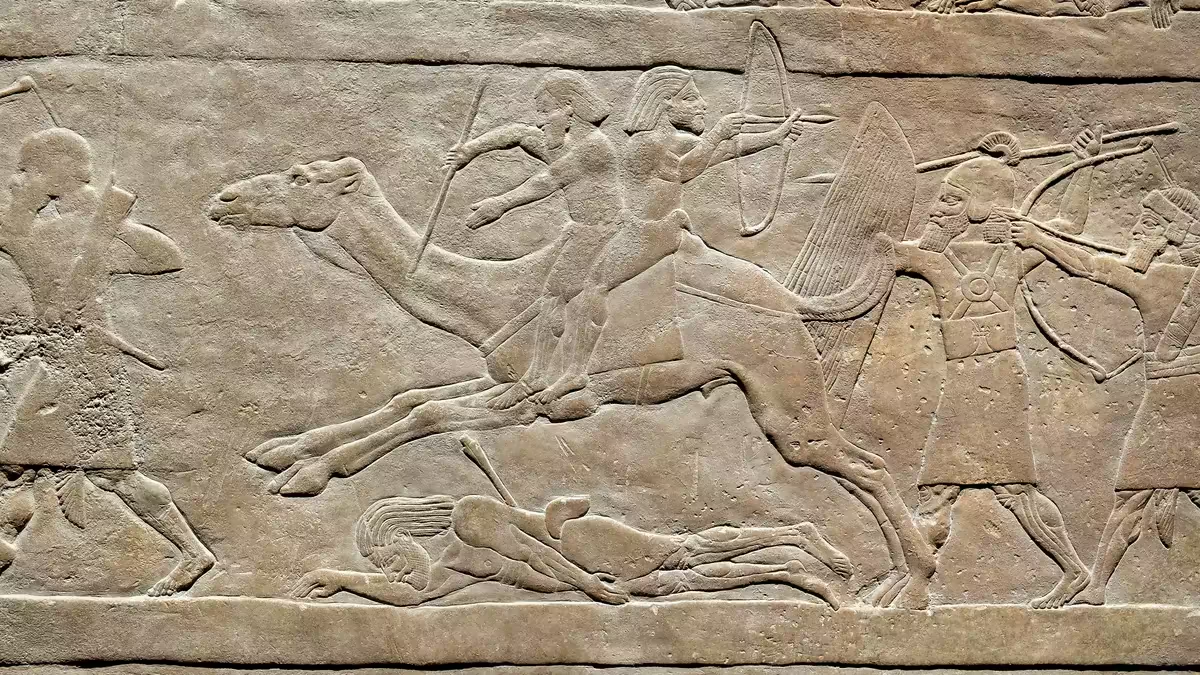
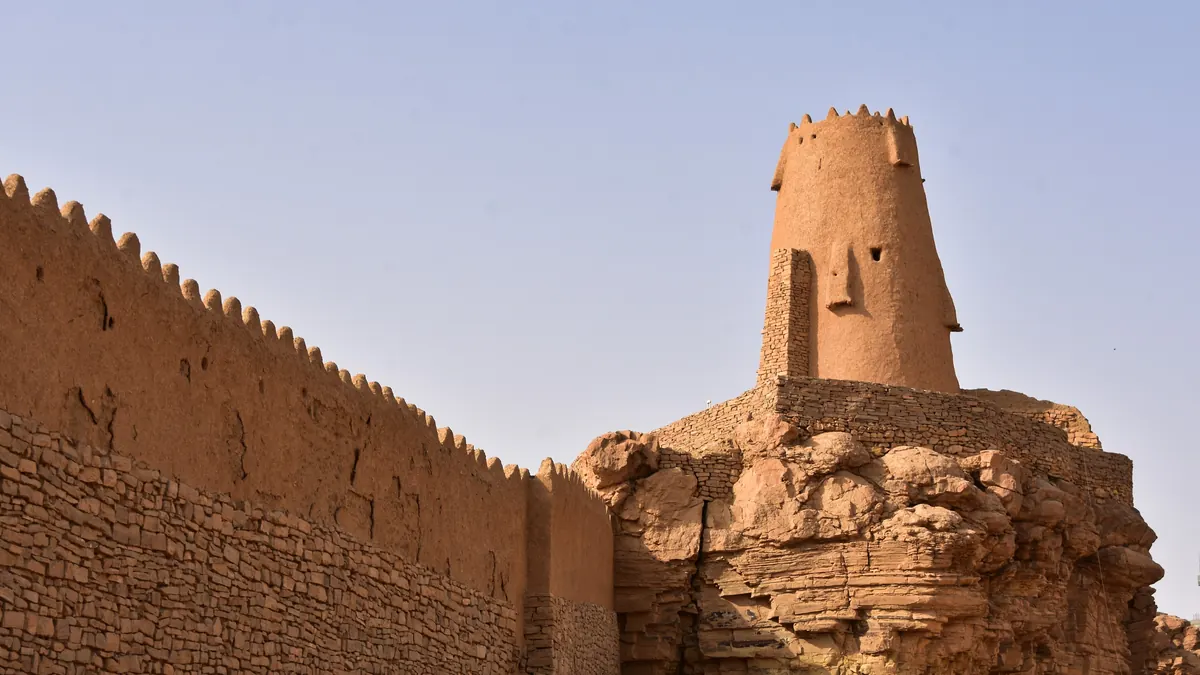
Assyrian and Babylonian records from the eighth to the sixth centuries BCE name the Qidri as a confederation of the north Arabian desert, and later Persian-period inscriptions mention their kings. They lived by herding and by the caravan trade in incense and spices that linked southern Arabia to the Mediterranean. Their territory covered what is now northern Saudi Arabia and southern Jordan, and their descendants were absorbed into the Nabataean kingdom and later Arab confederations.
The name in later interpretation
Because Kedar came to stand for the Arabs generally, Jewish commentators used the term for the Arabic language, and a standard Hebrew lexicon records that the rabbis called all Arabs by this name and spoke of Arabic as the tongue of Kedar.5 In Islamic tradition, Qedar is remembered as a son of Ismāʿīl and an ancestor of the northern Arabs, from whom the genealogists trace the line of the Prophet Muhammad.
Muslim writers from the early centuries onwards read the oracles concerning Kedar, and the surrounding passages about a servant who brings light to the nations, as pointing towards Arabia. Jewish commentators read them historically, as concerning the Arab tribes of the seventh and sixth centuries BCE. Christian commentators have read the servant passages as fulfilled in Jesus.
The question the text leaves open
Set the pieces beside one another. The oracle addresses Kedar, and Kedar stands for the Arabs and for their language. The passage that follows calls on the villages of Kedar to sing a new song to God, and speaks of a servant who brings justice to the nations and light to those who sit in darkness.6 The Christian reading places that servant in Galilee, among a people who had the Torah and the prophets already, and it leaves the address to Kedar unaccounted for. Jesus did not preach to the Arabs, and he did not preach in Arabic.
One figure in history answers the description. A man of the line of Kedar proclaimed to the Arabs, in the language of Kedar, the monotheism of the Israelite prophets before him, and within a lifetime the desert tribes the oracle names carried that message across the greater part of the known world. Muslims identify him as the Prophet Muhammad, and the reading set out here follows them.
Why the name still matters
Kedar marks the point where the biblical record touches the Arab world directly. For historians it supplies evidence of Arabian tribes in contact with the empires of the ancient Near East. For readers within the traditions it raises the question of how the descendants of Ishmael stand within the promises made to Abraham, which is treated in Who was Abraham?.
Who was Kedar? In brief
Who was Kedar? The second son of Ishmael in Genesis, the ancestor of a powerful tribe of the Syrian and Arabian desert, and in the prophets a name for the Arabs as a whole. Isaiah foretells that the villages of Kedar will lift up their voice in praise, a passage Muslim scholars have long read as a sign of the Prophet who would come from Ishmael’s line.
Further reading: The path of Abraham in the Qur’an and What archaeology tells us about the ancient Near East.