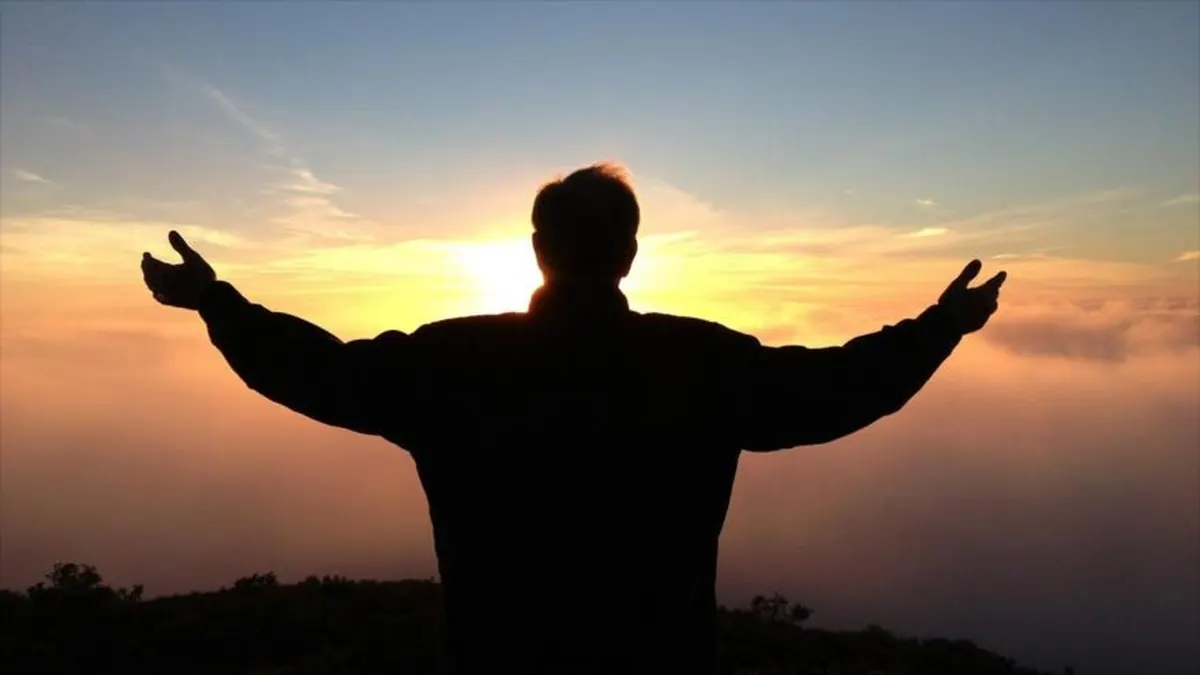
Prayer shapes the daily rhythm of believers in all four Abrahamic traditions. The forms differ, yet each tradition treats prayer as both a personal turning to God and a shared act of the community.
In this article
In Judaism
Jewish law sets three daily services: Shacharit in the morning, Mincha in the afternoon and Maariv in the evening. At their centre is the Amidah, a series of blessings recited standing. Certain prayers require a minyan, a quorum of ten adults. The synagogue service follows the prayer book, and the Torah is read publicly on Sabbaths, festivals and certain weekdays.
In Christianity
Christians pray privately and together. The Lord’s Prayer, which the Gospels record Jesus teaching his disciples, is common to nearly all churches. Many Catholic, Orthodox and Anglican Christians keep a daily cycle of set prayers, such as the Liturgy of the Hours, and the Eucharist stands at the heart of worship. Protestant traditions place strong emphasis on personal prayer, hymns and the reading of scripture.
In Islam
Muslims perform ṣalāh (صلاة, ritual prayer) five times daily: at dawn, midday, afternoon, sunset and night. Before praying they perform wuḍūʾ (وضوء, ablution), and they face the Kaaba in Makkah. Each consists of cycles of standing, bowing, prostration and sitting, with recitation from the Qur’an in Arabic. On Fridays, Muslims gather for the congregational prayer, jumuʿah (جمعة, Friday prayer), with a sermon.
In Mandaeism
The Mandaean rahmi is said facing the North Star, behind which, in Mandaean belief, Abathur has his throne; the north is the direction of the World of Light. Each day of the week carries its own prayers, and a priest recites them before he baptises.1 Baptism itself, repeated through life in running water, is the community’s central act of worship. See Mandaeism.
Shared threads
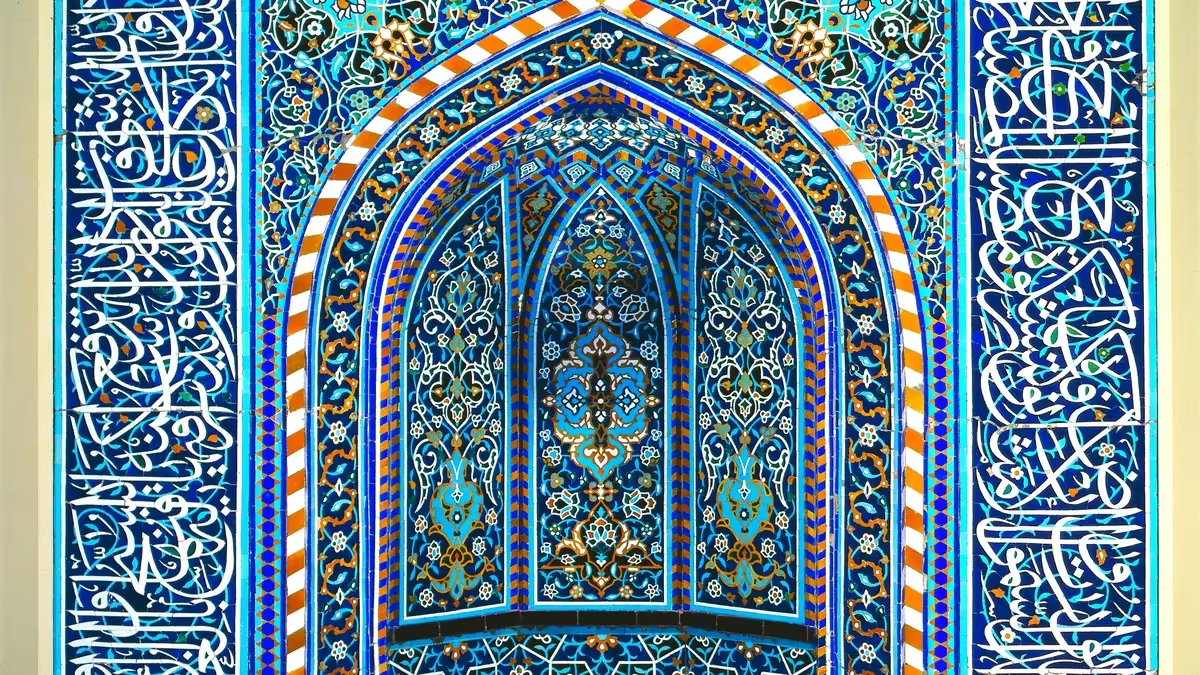
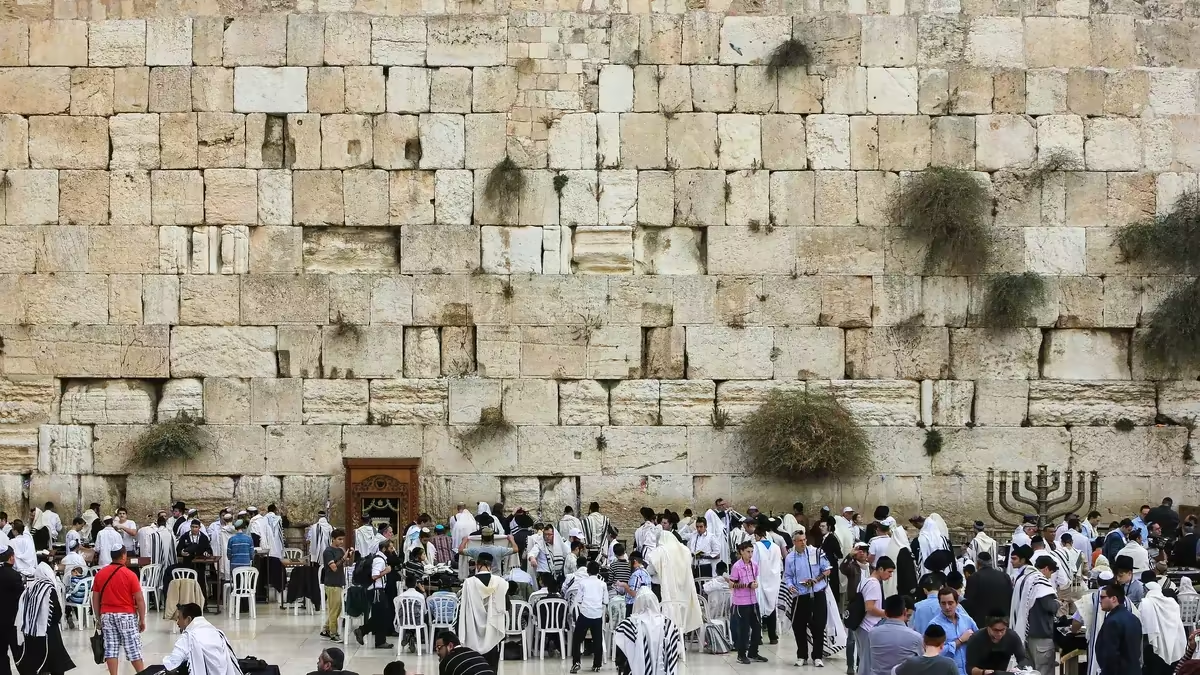
The four traditions share postures such as bowing and prostration, a sense of sacred time, and prayers of praise, thanksgiving and petition. Each also sets aside a weekly day of special worship: the Sabbath, Sunday and Friday; Mandaeans, too, keep Sunday, the first day of the week.
Further reading: How the Abrahamic religions understand monotheism, Masbuta: baptism in running water and The path of Abraham in the Qur’an, Prayer (Encyclopaedia Britannica).
Notes on prayer in the Abrahamic traditions
- E. S. Drower, The Mandaeans of Iraq and Iran (Oxford: Clarendon Press, 1937), p. 110. ↩