Apostasy in the Abrahamic traditions
Rabbinic law, Christian empire, classical Islamic jurisprudence and modern reconsideration: how each tradition has treated those who leave.
Explainers and essays on the history, scripture and thought of the Abrahamic traditions. Browse every topic.
Rabbinic law, Christian empire, classical Islamic jurisprudence and modern reconsideration: how each tradition has treated those who leave.

Paul’s own letters describe a real conflict with Peter at Antioch. A later letter, in Peter’s name, makes peace.

Pew Research projects Islam and Christianity nearing parity by 2050, and Islam becoming the largest religion by 2060 or later.
Whales: Giants of the Ocean Whales are among the largest and most remarkable animals on Earth. These marine mammals live in oceans around the…

Was the Qur’an’s Haman borrowed from the Bible’s Esther, or is his name an Egyptian priestly title?
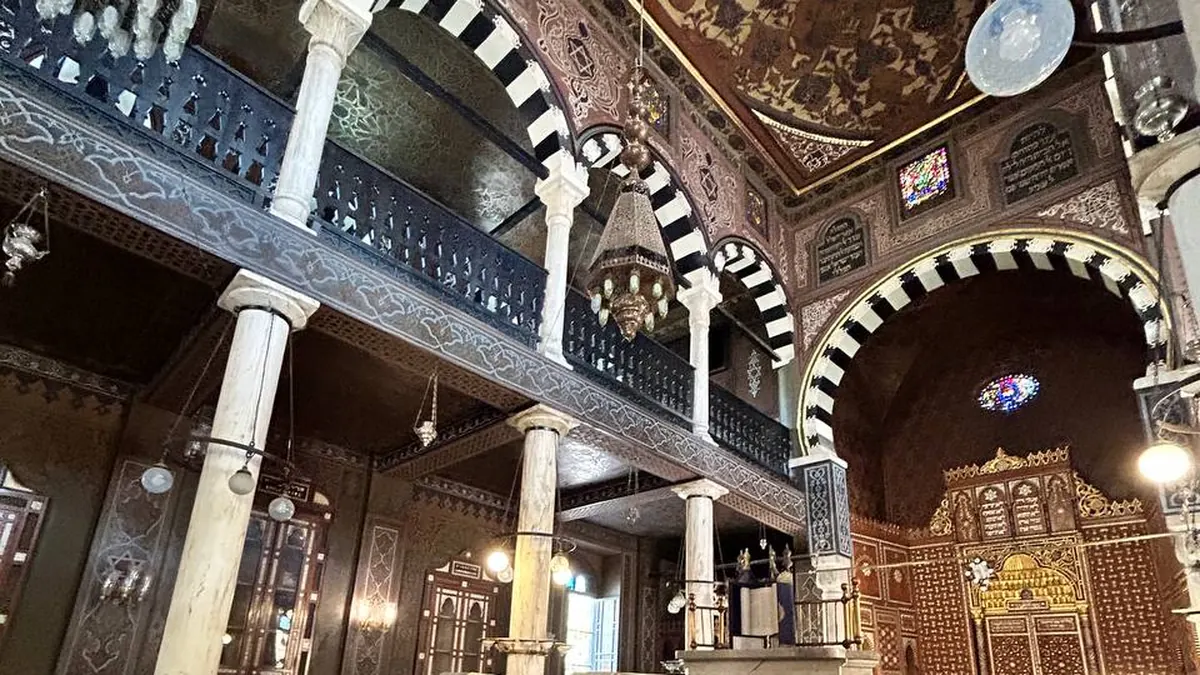
A synagogue storeroom in Cairo yielded 400,000 medieval fragments and reshaped the study of Jewish history.
Two landmark declarations: a modern Muslim consensus on who is a Muslim, and an open letter to Christian leaders.
The medieval argument over whether philosophy could be trusted, and why it mattered more in Europe than in Islam.
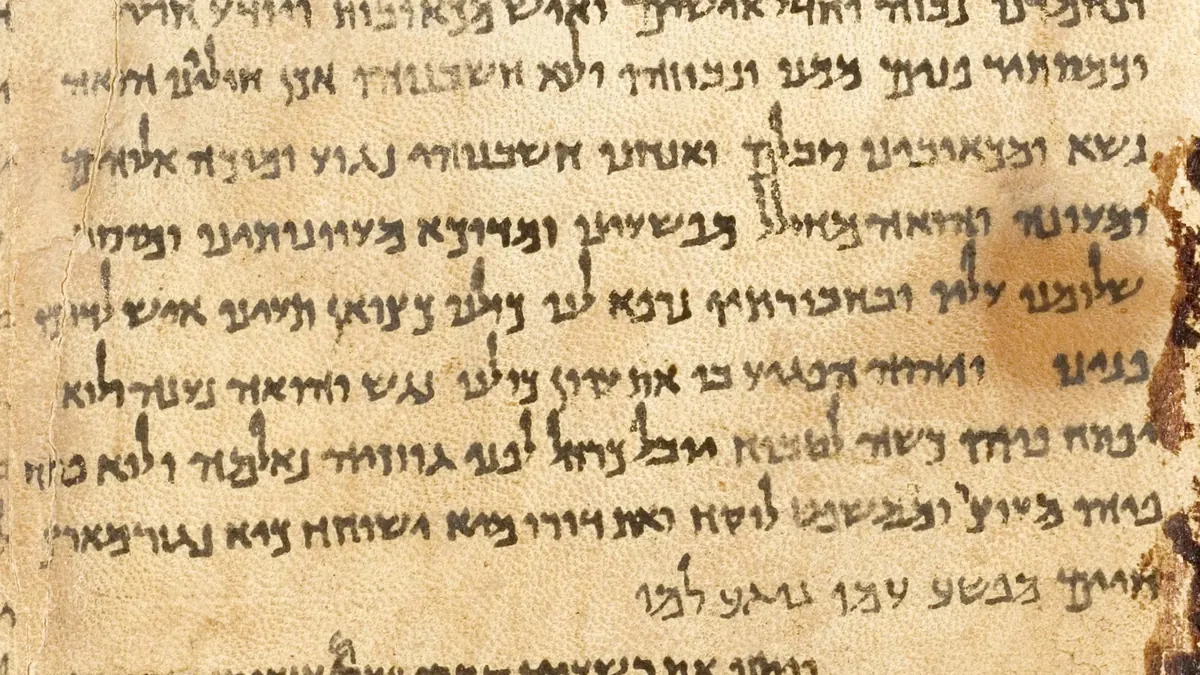
How the Hebrew Bible, the New Testament and the Qur’an were each copied, checked and handed down across centuries.
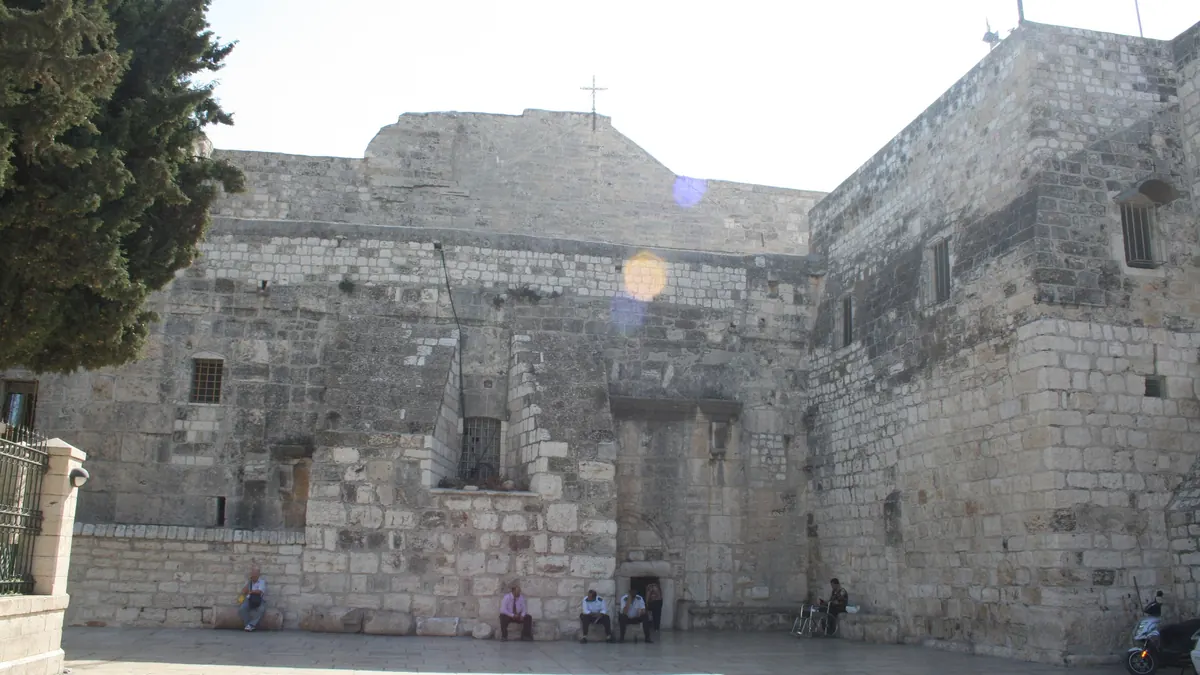
The only woman named in the Qur’an and the mother of God incarnate in Christian doctrine: Mary in scripture.
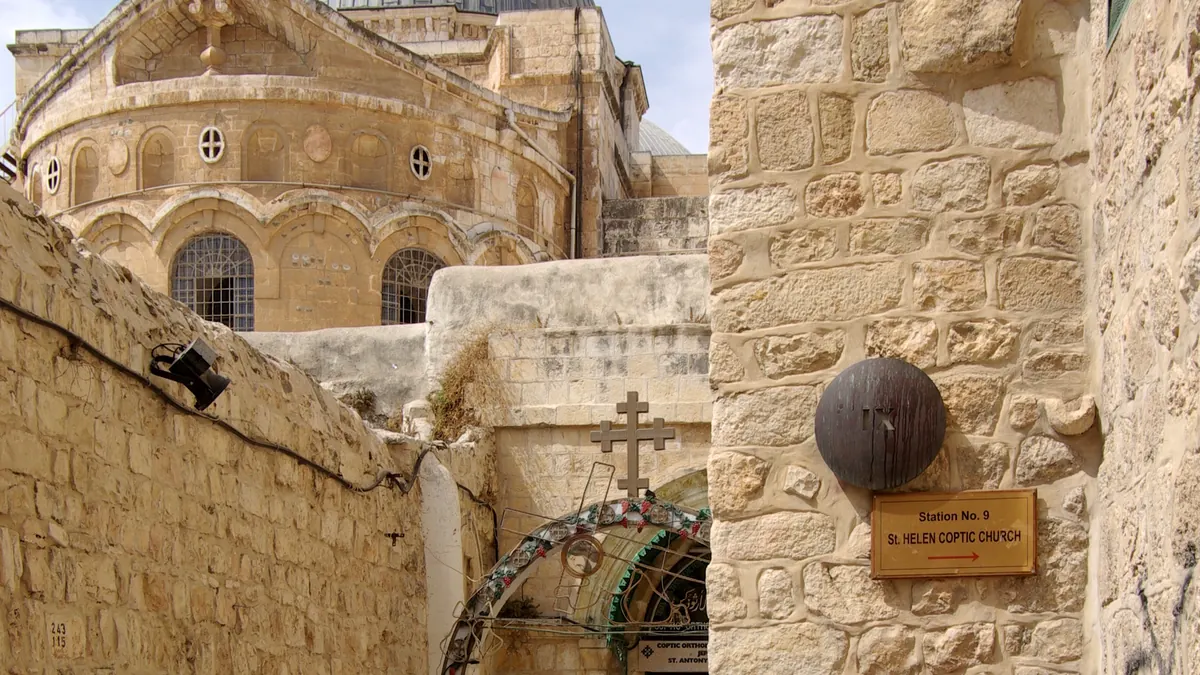
Lord and Saviour, prophet and Messiah, or a pupil of John who departed from his teaching: how three traditions see Jesus.
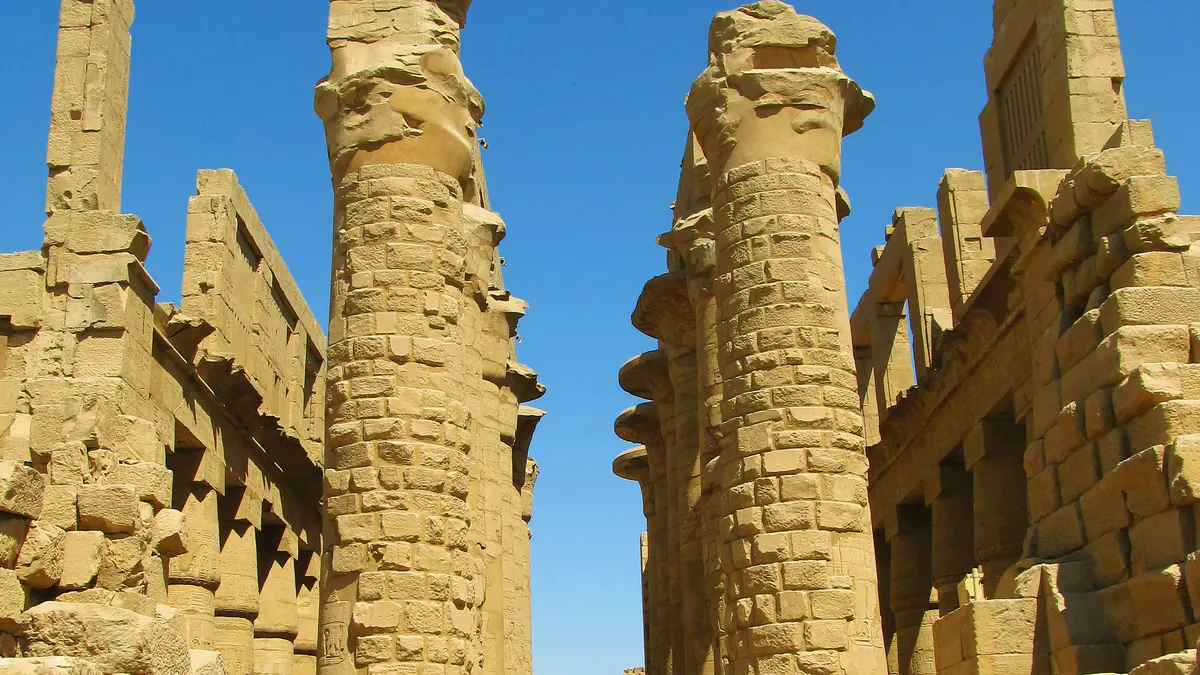
Joseph served a king and Moses faced a Pharaoh: how the Qur’an’s two titles for the ruler of Egypt match the Egyptian record.